


What this article is about
Production optimization involves systematically analyzing your production processes, identifying weaknesses, and making targeted improvements—with the goal of reducing costs, ensuring quality, and shortening lead times. Key levers include methods such as 5S, Lean Production, Six Sigma, value stream mapping, and process mapping, as well as the use of modern technologies, the Internet of Things (IoT), and specialized digital tools.
For small and medium-sized businesses, production optimization is a key factor in ensuring their long-term competitiveness and profitability.
With the tepcon “instructor,” we offer a digital solution that actively supports continuous improvement—for example, through precise instructions, trouble tickets, and the analysis of actual implementation data.
Let yourself here Get comprehensive advice!
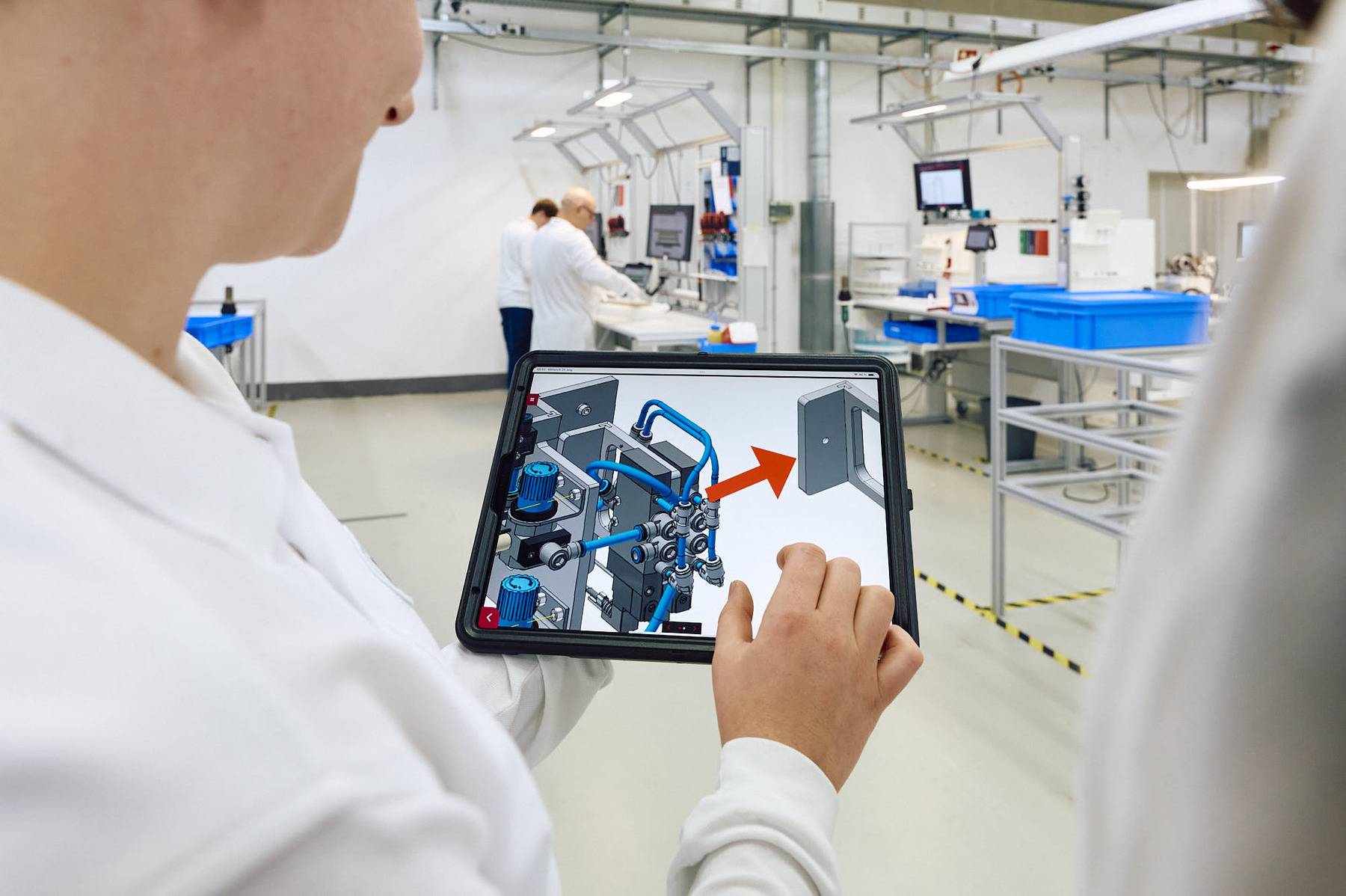
What does production optimization mean?
Production optimization refers to the approach of analyzing existing manufacturing processes and refining them in a targeted manner. The goal is to design production processes so that they operate efficiently, reliably, and to a high standard of quality.
At its core, the goal is to make processes and data transparent, identify bottlenecks, and eliminate waste. The focus is on both technical and organizational aspects: machinery, material flow, information flow, employee engagement, and digital systems.
Production optimization is not a standalone measure, but rather part of a comprehensive production management strategy. Companies use digital tools to support this management in a straightforward way—tailored specifically to their operations.
The Magic Triangle of Production
Every effort to optimize manufacturing operates within the constraints of the so-called “magic triangle” of production: cost, quality, and time. These three factors are closely interrelated.
For example, if you reduce costs by cutting staff or sourcing materials more cheaply, this can have a negative impact on product quality. If you drastically shorten lead times, there is a risk that error rates in the manufacturing process will rise. If you significantly raise quality standards, this can result in additional costs.
The challenge of production optimization lies in identifying the optimal balance between quality, lead times, and cost-effectiveness. Optimization in one area often has a negative impact on at least one other area. The art lies in finding a sustainable balance for your company—tailored to your objectives, resources, customer requirements, and market conditions.
Goals of Production Optimization
Cost reduction
Improving quality
Reducing turnaround times
Increased efficiency
Increased productivity
Small and medium-sized businesses, in particular, face intense competitive pressure. Tight margins, volatile markets, and rising demands for quality and sustainability make it all the more urgent to take action.
In the manufacturing industry, production efficiency is a key factor in determining success. Companies that reduce waste, use materials strategically, and analyze production data intelligently create financial flexibility. This is essential for small and medium-sized enterprises (SMEs), as they rarely have large financial buffers.
Production optimization is therefore not a one-time project, but rather requires an ongoing approach.
Concepts such as Kaizen, lean production, and just-in-time aim to continuously scrutinize and improve processes. For smaller companies, this approach is an effective way to achieve maximum impact with limited resources.
Contact us today and take your maintenance to the next level.
Process optimization, production optimization, manufacturing optimization—what’s the difference?
These terms are often used interchangeably, but they differ in their focus.
Process optimization is the umbrella term. It encompasses the optimization of all processes within the company—from administrative procedures to production.
Production optimization focuses specifically on production and all related processes. It examines material flows, machine uptime, production data, and organizational workflows.
Production optimization has a narrower scope and primarily refers to technical manufacturing processes—that is, to individual processes or production sequences within the manufacturing process.
Product optimization, on the other hand, focuses on the product design, functions, or features of the products themselves.
There is some overlap between the various terms, since, for example, a change in a product’s design can affect production processes and costs.
The first step is to analyze the current situation. Without reliable data and transparent metrics, optimization efforts remain haphazard.
The next step is to identify bottlenecks—that is, bottlenecks in the workflow, duplicate work, or inefficient transitions. Various methods, such as process mapping or value stream analysis, provide clarity on production flow, material movements, and information chains.
This is followed by the prioritization of the measures. It is crucial to implement the measures that have the greatest impact on costs, quality, or lead time first.
Finally, ensure the results are sustained through standardization, training, and regular monitoring of KPIs.
There are numerous proven methods available for process optimization:
5S Method
Schlanke Produktion
Six Sigma
Value Stream Analysis
Process mapping
SMED (Setup Time Optimization)
Cellular Manufacturing
What role do ERP systems and a manufacturing execution system play?
ERP systems support the precise management of production capacity, inventory, and order processing. They ensure the integration of business and logistics data.
A Manufacturing Execution System complements this level by providing fine-tuned control over production. It collects production data in real time, analyzes machine uptime, and supports production management.
Integrating both systems ensures transparency from order receipt through to shipment. Key performance indicators such as Overall Equipment Effectiveness provide reliable insights into the performance of your machines.
How do modern technologies help optimize production?
Maintenance and repair are of central importance, particularly when it comes to optimizing production as a whole. Today, these areas rely primarily on the work of digital tools:
IoT devices and sensors collect data on machine status, energy consumption, and material movements.
Digital platforms and tools that are integrated into existing structures also enable centralized analysis of production data.
Companies gain a clear picture of their processes and can make informed decisions. Workflows, instructions for recurring production processes, maintenance, maintenance tasks are no longer handled using Excel spreadsheets or even paper checklists. Digital methods promise greater transparency and save on personnel and costs.
Why is transparency a key factor for success?
Transparency is essential for any optimization. Only those who understand their processes can improve them effectively.
Comprehensive documentation and instructions, digital dashboards, and clear metrics offer compelling benefits: They provide clarity. They highlight bottlenecks and promote fact-based decision-making.
A transparent manufacturing operation responds more quickly to deviations and strengthens its competitiveness in the long term.
Production Optimization and Continuous Improvement
Production optimization is not a one-time project, but an ongoing process. Continuous improvement involves regularly gathering feedback, reviewing key performance indicators, and adjusting strategies.
Your employees play a key role in this process. They are the ones who know the weaknesses in daily operations best. Involving them not only improves the quality of the measures but also boosts motivation. Take advantage of digital tools—but also remember to fully involve your team and their knowledge.
A culture of continuous improvement ensures long-term success and enhances the sustainability of all optimization strategies.
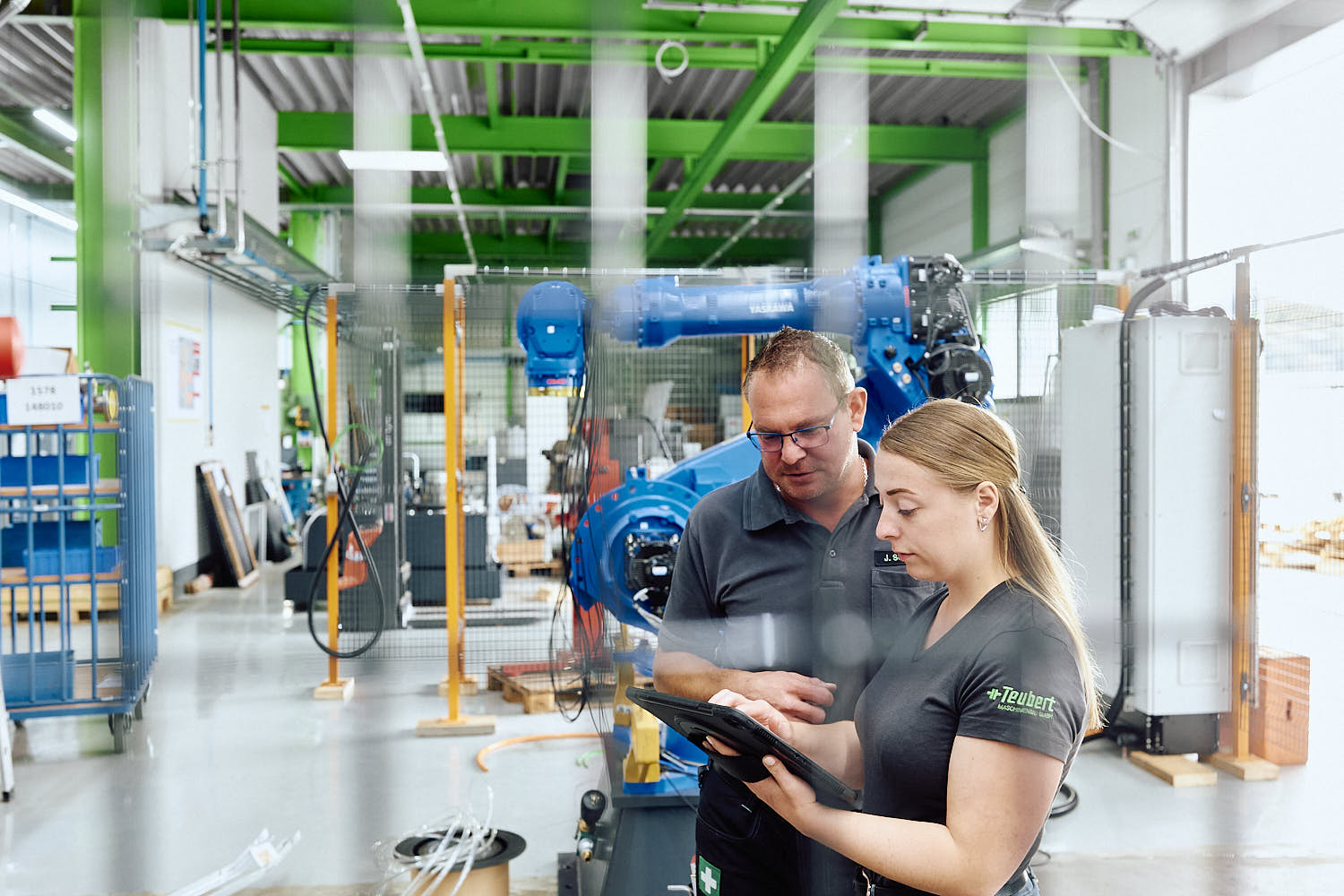
Establish a systematic approach to continuous improvement
A structured approach is essential for embedding continuous improvement in the long term. This includes regular reviews, defined KPIs, and clear responsibilities.
Feedback mechanisms must be accessible and transparent. Trust is built only when suggestions for improvement are taken seriously and implemented in a visible way.
Training helps employees take on new responsibilities, meet new challenges, and use technology confidently. This ensures that your company remains flexible and adaptable.
Get started with digital production optimization using the tepcon “instructor”
Digital systems are key to supporting sustainable process optimization. The tepcon “instructor,” with its numerous features, can be used here as a central tool for digital instructions, feedback, and evaluations.
In the context of production optimization or partial adaptation, the “instructor” enables:
- Feedback on instructions directly from within the application
- Ticket functions in the event of machine or process malfunctions
- Evaluation of the Implementation of Guidelines for Identifying Bottlenecks
- Transparent documentation of deviations
This actively supports the continuous improvement process. Production data is not viewed in isolation, but analyzed within the context of specific work instructions. This allows you to identify bottlenecks in the production process and take targeted action.
The tepcon “ instructor” combines clear and understandable instructions, comprehensive documentation, and data collections in a tool that is accessible at all times. The result is sustainable production optimization—data-driven, transparent, and practical.
Optimizing Production: Which Strategies Yield the Best Results?
The best strategies combine methods, technologies, and culture in a way that suits your company. An isolated approach falls short.
Companies looking to optimize their production should:
- define clear objectives
- Consistently measure key performance indicators
- Actively involve employees
- integrate digital systems
- Promote continuous improvement
Only through this holistic approach can the elements of the “magic triangle”—quality, cost, and time—be balanced in the long term.
Conclusion: Production optimization as a strategic competitive advantage
Well-executed production optimization boosts efficiency, reduces costs, and improves product quality. It increases transparency in production processes and creates a stable foundation for growth.
For SMEs in particular, it is a key factor in their success when it comes to thriving amid increasing competitive pressure. With clear goals, the right methods, and digital technologies, you can ensure your long-term competitiveness.
Take advantage of the capabilities of modern systems and foster a culture of continuous improvement. With the help of the tepcon “instructor,” production optimization becomes a sustainable driver of your company’s success.
Please contact us directly at or via : We’d be happy to assist you!
Take it now Contact Join us and take your maintenance to the next level.
FAQ
What does production optimization mean?
What are the 5 Lean principles?
What does manufacturing optimization mean?
How can production processes be optimized?
What methods are available for production optimization?
What is an example of manufacturing process optimization?
What is OPT in manufacturing?
What does Overall Equipment Effectiveness (OEE) mean?
OEE provides transparency regarding downtime, speed losses, and quality deviations. This enables companies to identify bottlenecks in their production processes and take targeted steps to optimize efficiency, costs, and product quality.