


Why Root Cause Analysis Is Key to Quality
For quality managers, production managers, and process managers in the industrial sector, systematic failure analysis—particularly through preventive methods such as FMEA—lays the foundation for effectively resolving deviations and reducing costs in the long term. In industrial processes, undetected defects are not merely a nuisance; they pose a genuine risk to quality, production costs, and customer satisfaction. Often, even minor deviations in processes are enough to cause significant damage or even complete production shutdowns.
The structured investigation of root causes therefore plays a central role in manufacturing. It is the tool that manufacturing companies use to systematically identify problems, implement effective corrective measures, and ensure the quality of products, processes, and services. If teams focus solely on treating symptoms and consequences when identifying defects, rather than uncovering the true root cause of a problem, disruptions will keep recurring.
Best practices, digital tools, and a clearly structured approach form the ideal combination in practice for thoroughly identifying sources of error. Well-known methods such as root cause analysis, the Ishikawa diagram, and failure mode and effects analysis are valuable across all industries. In this article, you’ll learn exactly how these techniques are applied and how modern technologies can support your team in practice.
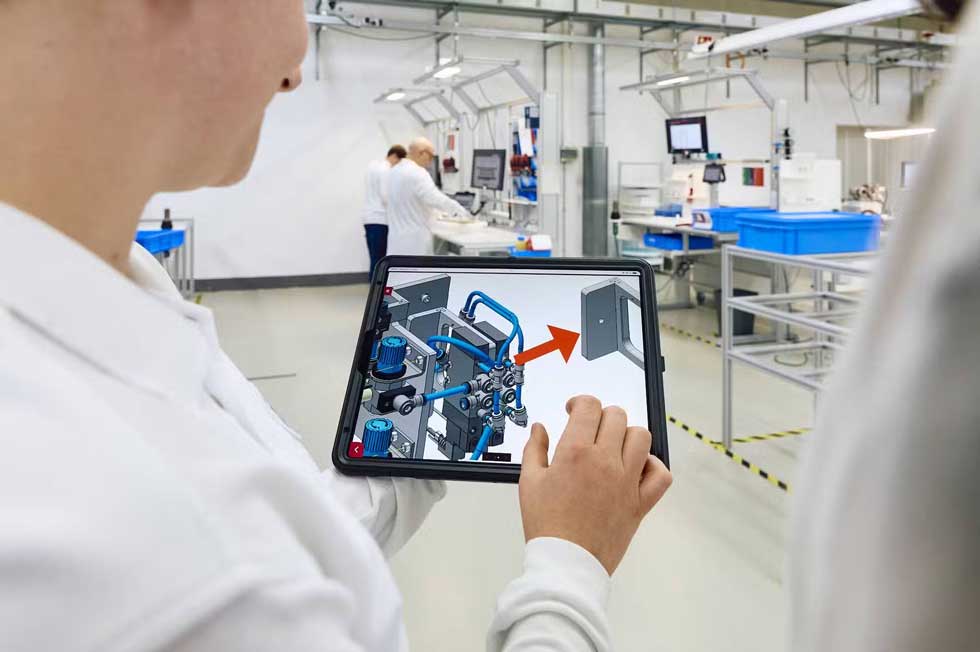
Manufacturing Defects
Product defects and disruptions in industrial processes can occur at many stages—from incoming goods through actual production to distribution. In their analysis, experts distinguish between internal and external causes of defects.
Internal Causes
Internal causes arise directly within a company’s own manufacturing or operations. A variety of factors can trigger problems here, for example:
- Unclear work instructions or flawed templates
- Outdated machinery or unsuitable tools
- Lack of qualifications or inadequate training among employees
- Gaps in workflows or insufficient process analysis
These causes can be directly addressed using internal resources and targeted measures. When internal factors are the cause, the desired efficiency improvements can usually be achieved quickly following a thorough investigation. For example, clear, digital checklists can prevent workers at the production line from overlooking important inspection steps.
External Causes
External causes of errors lie outside the company’s direct sphere of influence. Common sources of defects in this context include:
- Fluctuations in quality among component suppliers
- Damage during transport or storage
- Miscommunication with external service providers
- Unpredictable market influences such as sudden raw material shortages
Even though external factors are more difficult to control, holistic quality management requires a comprehensive investigation. Only by understanding the exact impacts can a company, for example, switch suppliers or build up internal buffers to minimize the damage to its own project.
In a hurry? Click here to go directly to our product, the tepcon instructor!
Definition of Failure Analysis
The term “failure analysis” describes a systematic procedure for identifying, documenting, and evaluating the causes of failures in industrial and business processes. The most important steps in failure analysis are failure data collection and root cause analysis. The purpose of this method is to lay the foundation for effective troubleshooting and long-term process optimization.
The definition goes far beyond the mere detection of a defect: The goal is genuine error prevention for the future. In quality management, there are various established methods for conducting this process in a structured manner.
Detailed Methods of Failure Analysis
To conduct failure analyses in a structured manner, companies rely on proven standards. The following five methods form the foundation of modern root cause analysis.
Failure Mode and Effects Analysis (FMEA)
FMEA (Failure Mode and Effects Analysis) is a method for preventive failure avoidance. In practice, the term “FMEA analysis” has become established, even though, strictly speaking, the word “analysis” appears twice in it. It was developed by NASA in the 1960s and is ideally used during the development phase, before a product is even manufactured. FMEA promotes the cross-functional exchange of expertise. In a Failure Mode and Effects Analysis, an interdisciplinary team evaluates potential failures based on three criteria: the probability of their occurrence, their significance (severity) for the customer, and the probability of detection. The system calculates a risk priority number based on these factors. The Risk Priority Number (RPN) can have a maximum value of 1,000. This allows designers and planners to know exactly where the highest risk of costly product recalls lies. In the impact analysis, a distinction is made between different types of FMEA:
- System FMEA: Examines the error-free interaction of complex systems and assemblies.
- Design FMEA (also known as Engineering FMEA): Focuses on the design of components. Here, it is verified whether the design meets all requirements to prevent the so-called failure mode (the type of failure).
- Process FMEA: Analyzes the planned production and assembly processes for weaknesses.
Root Cause Analysis
The Ishikawa Diagram
Q7, based on Kaoru Ishikawa
The 5 Whys Method
- Why did the machine stop running? (The fuse blew.)
- Why did it blow? (The motor was overloaded.)
- Why was the motor overloaded? (The bearing was insufficiently lubricated).
- Why wasn’t it lubricated? (The lubrication pump failed).
- Why did the pump fail? (Its shaft was worn due to a missed maintenance interval.)
Result: The corrective action is not “replace the fuse,” but rather “implement a maintenance schedule for the lubrication pump.”
Digital Tools as Part of Fault Analysis
As digitalization advances, the tools used for analysis have also evolved. Modern software solutions speed up the process of identifying root causes: The structured documentation of deviations, the automated identification of sources of error, and the tracking of corrective actions across the entire company can be accomplished much more reliably with a digital solution.
Applications that support if-then logic are particularly helpful: As soon as an employee records a specific error on the equipment, the system automatically displays relevant cause or corrective action fields. This creates a more dynamic process and reduces the time required. Every expert in the operation receives exactly the data they need for their analyses.
Furthermore, digital systems enable the integration of analyses with other areas of quality management—such as quality assurance, auditing, or training administration. Data from various business units is consolidated, can be compared, and evaluated at the click of a button—often in multiple languages or directly in German.
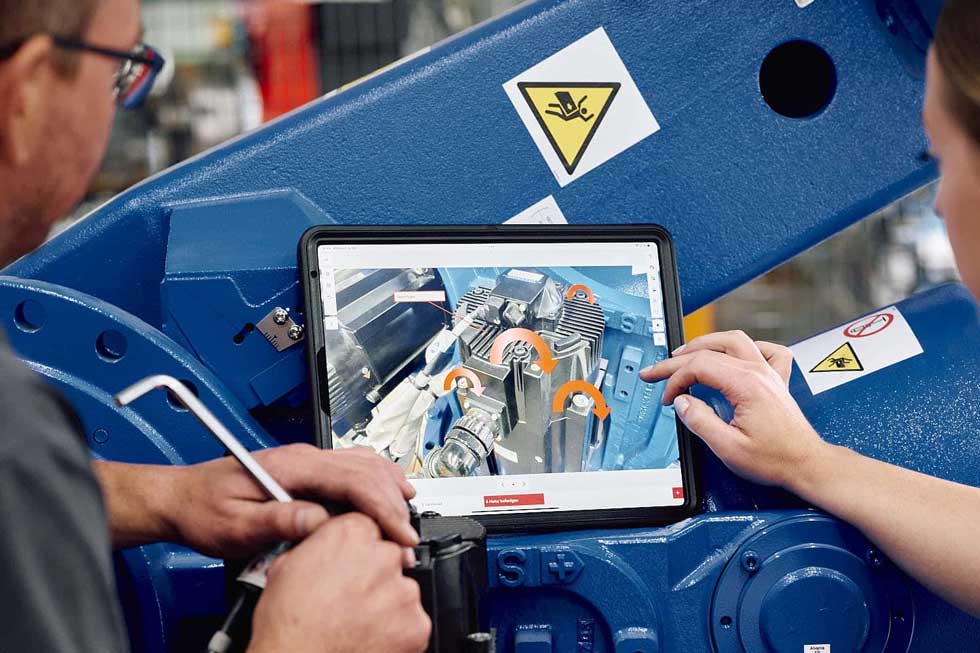
Quality Management with Digital Tools: Reducing Error Rates with the tepcon instructor
Whether used for service documentation, assembly instructions, or work instructions, our instructor software solution provides comprehensive support for production processes. With detailed step-by-step instructions, the tool guides independent workers through a wide variety of processes.
For error analysis, the system acts as a proactive measure: Thanks to the continuous documentation of all work steps, the tool automatically generates reliable data to transparently monitor production costs.
Furthermore, instructor plays a direct role in error resolution: Based on its if-then logic, the system can ask specific questions in forms when logging deviations and, if necessary, show or hide additional inspection steps. An integrated ticket system makes it possible to immediately log issues, notify all relevant parties, and analyze the effectiveness of implemented changes.
All information is available at any time, regardless of location. Process adjustments are implemented more quickly, as updated specifications are pushed digitally directly to the workstations. This significantly reduces the likelihood of errors, lowers manual labor costs, and increases overall productivity.
We’d be happy to explain how you can optimize your quality management with the tepcon instructor:
Failure Analysis as a Strategic Success Factor in Quality Management
A thorough and targeted analysis is far more than a short-term Band-Aid solution—it serves as a strategic tool in quality management. Using structured methods such as FMEA, the Ishikawa diagram, and modern tools, organizations identify weaknesses and eliminate them permanently.
Choosing the right techniques is key to success. Whether in process analysis, collaboration with suppliers, or fine-tuning internal workflows: Understanding sources of error paves the way for seamless production and more satisfied customers. Take advantage of modern software to learn from deviations and continuously improve—directly benefiting your project, your products, and your company’s overall performance.
Secure a competitive advantage and let us provide you with comprehensive advice on the opportunities that instructor offers your business.