


Inhaltsübersicht
- 1 Why process efficiency is decisive for competition today
- 2 Definition: What is process efficiency?
- 3 Methodical approaches for optimizing processes
- 4 Increasing process efficiency – which questions help?
- 5 Process efficiency: Why companies benefit from it
- 6 Risks, obstacles and challenges
- 7 Tips: Five steps for getting started with process efficiency
- 8 Tools for improved efficiency: digitalization and process optimization go hand in hand
- 9 Exploit digital potential for process efficiency now
- 10 FAQ Process efficiency
Why process efficiency is decisive for competition today
Process efficiency describes a company’s ability to design workflows in such a way that they generate the greatest benefit with the least possible effort. It reduces costs, shortens throughput times, increases productivity and improves quality along the entire process chain.
At a time when markets are becoming more dynamic and digitalization is setting new standards, process efficiency forms the basis for sustainable success.
In this text, we show how companies analyze, evaluate and improve processes, which questions help, which risks need to be considered and how digital tools such as the tepcon “instructor” support optimization.
What does process efficiency mean in the modern industrial environment?
Today, process efficiency determines whether companies can operate flexibly, resiliently and economically. It influences the way in which processes are designed, controlled, monitored and improved.
It is worth taking a closer look at why clear processes create advantages, how you can evaluate processes using key figures and KPIs and which methodical approaches are useful for making bottlenecks visible.
We also look at risks, typical inefficiencies and the importance of digital technologies for better results and increased performance.
Do you want to start a test phase for optimized work instructions right away? Then this way!
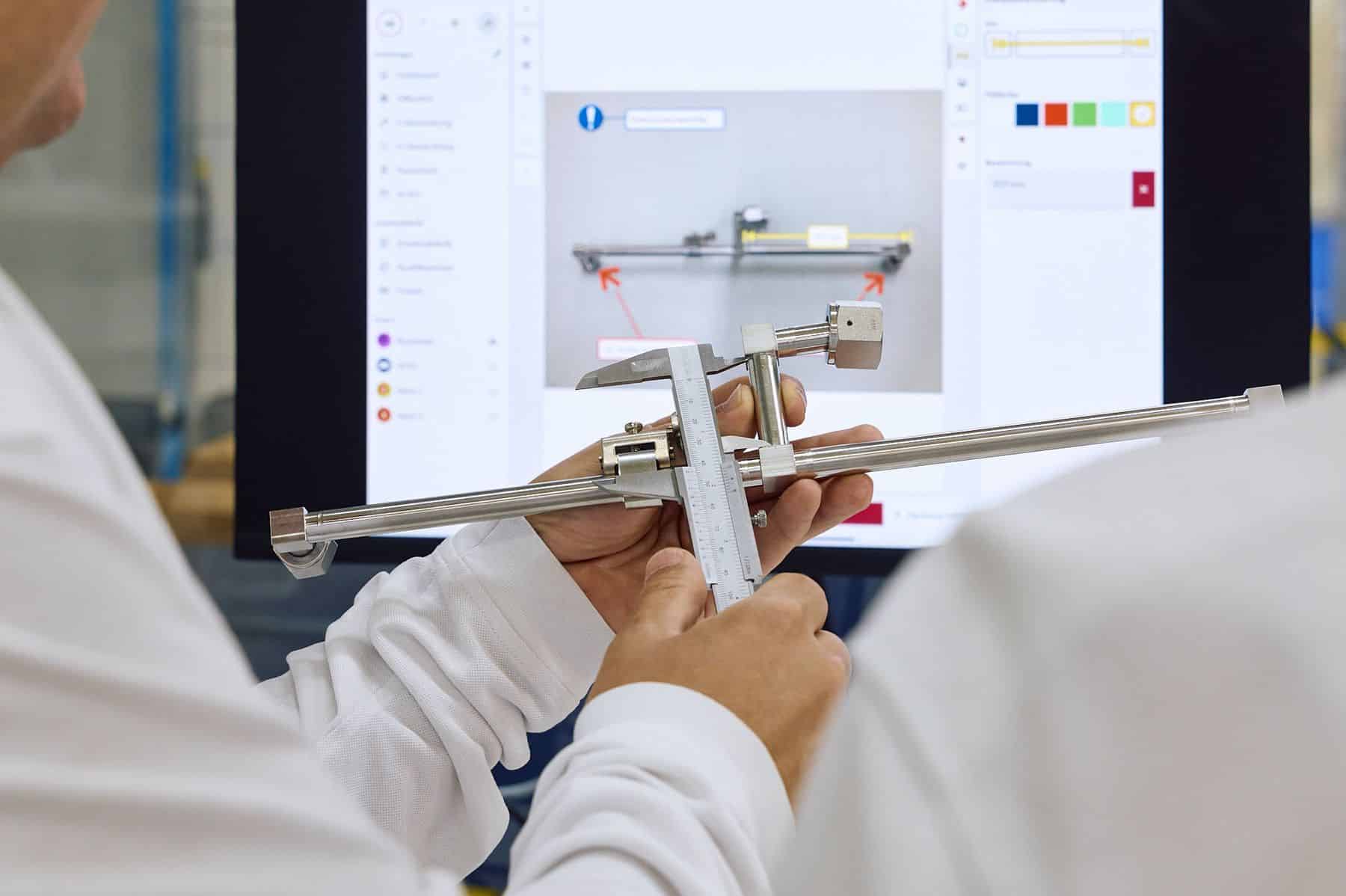
Definition: What is process efficiency?
Inefficiencies cost time, money and energy. Process efficiency therefore describes the relationship between input – i.e. resources such as personnel, time, materials, systems and information – and output, i.e. the result achieved.
The goal of optimal process efficiency is to achieve the best results with the least possible time, resources and effort. Taking a close look at process efficiency ensures that processes run in a structured manner, tasks are carried out reliably and process performance increases measurably.
The most important process efficiency parameters include throughput, throughput time, error rates, cycle time, resource efficiency, profitability and overall equipment effectiveness. These parameters are often used in the form of clearly defined metrics in order to objectively evaluate processes.
Info box: What are metrics?
Metrics show the state of affairs: they are measurable variables that enable an objective evaluation of processes. They form the basis for comparisons, the observation of changes and the definition of suitable measures for improvement. Without this measurement, process optimization remains blurred, as metrics reveal the exact causes of delays, low performance, high costs or quality fluctuations.
Throughput:
The throughput indicates how many units are actually produced or processed in a defined period of time. It shows how stable work processes are and where bottlenecks can occur.
Throughput time:
The throughput time measures the period of time from the start to the completion of a process. It shows how smoothly processes run and how well the individual process steps are coordinated.
Error rates:
Error rates provide information about the quality of the output and possible weaknesses in the process design. A high error rate often indicates a lack of standards, communication or training.
Cycle time:
The cycle time describes the time required to complete a single process step. It is crucial for accurately assessing the performance of technologies, systems and teams.
Resource efficiency:
This metric evaluates the relationship between the resources used and the output produced. The aim is to keep materials, personnel and energy in as balanced a relationship as possible to process performance.
Profitability:
shows you what the economic efficiency of your processes looks like. Efficient processes contribute directly to higher profit margins by reducing costs and stabilizing results.
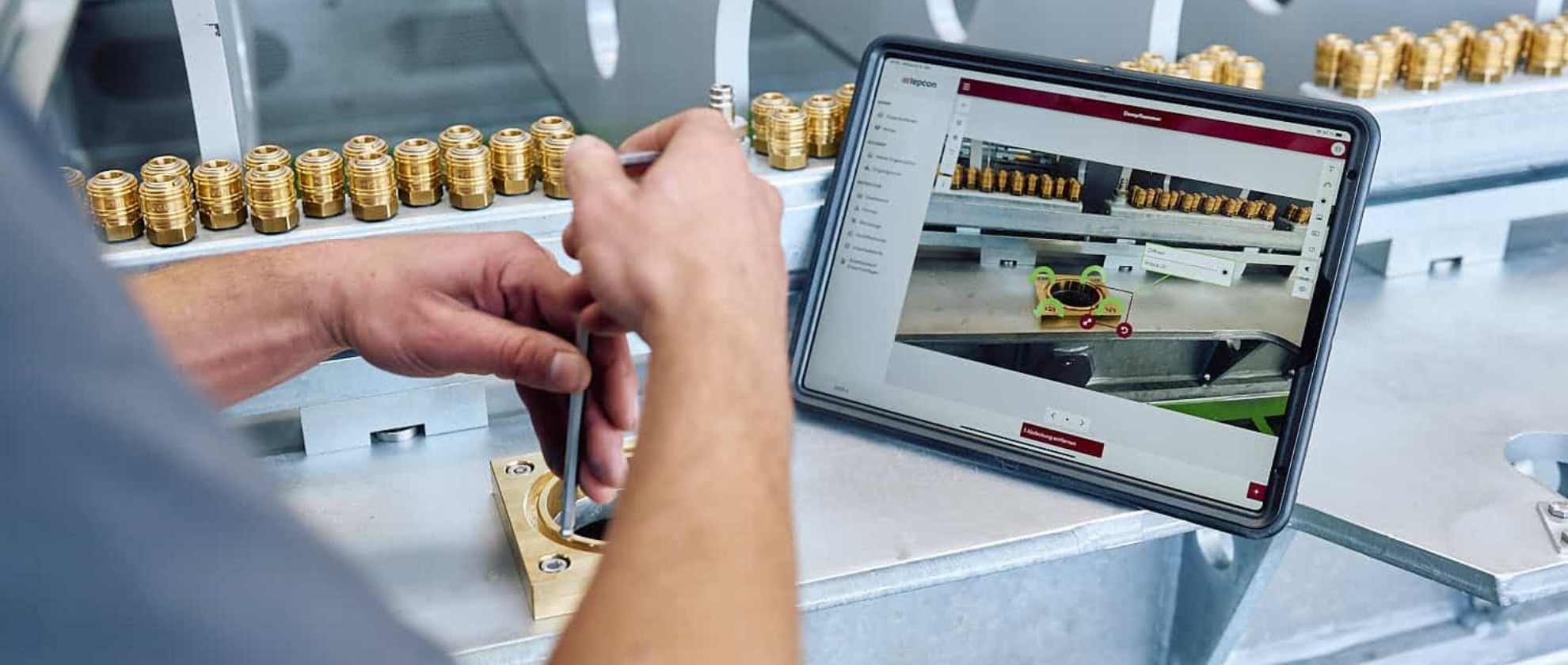
Methodical approaches for optimizing processes
Efficient processes are not created by chance, but through clear methods and a structured approach. Industry 4.0 has a number of proven approaches that help companies to systematically identify inefficiencies and establish and implement sustainable improvements.
Lean manufacturing as a foundation
Lean manufacturing aims to reduce waste and improve value streams. It ensures lean processes and a clear understanding of which tasks actually generate added value. The approach helps companies to systematically uncover inefficiencies.
Systematic loss source analysis
The loss source analysis identifies inefficiencies such as waiting times, errors, overproduction or unnecessary movements. It serves as a basis for deriving measures and sustainably improving processes.
Process monitoring
Continuous process monitoring provides you with real-time data that your company can use to evaluate process performance and make data-based decisions. Monitoring creates transparency and forms the basis for precise evaluation, which in turn is the prerequisite for a successful optimization strategy.
Integration of digital process control
Digital process control enables standardized work instructions, clear processes and uniform content. It creates safety, reduces errors and increases efficiency – especially in production, assembly and service.
Are you in a hurry? Click here to go directly to our product, the tepcon instructor!
Increasing process efficiency – which questions help?
Before a new strategy is implemented, it must be analyzed.
A targeted analysis often begins with the right questions. The following questions help to identify weak points and select suitable measures:
- Which tasks require a disproportionate amount of time?
- Where do bottlenecks occur and what triggers them?
- Which steps do not generate added value for customers?
- Which metrics show anomalies in terms of quality, output or error rates?
- Which systems support processes well – and where do they hinder the workflow?
- What information is the team missing at critical process points?
- How can process steps be automated or simplified?
- What goals should processes fulfill in the future and how clearly is this image communicated?
These questions lead us to look at causes rather than symptoms and to target the optimization of your overall system effectiveness.

Process efficiency: Why companies benefit from it
Companies benefit from high process efficiency because it reduces costs, speeds up processes and increases productivity.
Efficient process management ensures that tasks run smoothly, teams are relieved and error rates are reduced. Cost savings are just as possible as increasing a positive public image – because smooth-running production stands for reliability and high quality standards, which also has an impact on customer satisfaction.
In detail, the integration of new approaches for greater process efficiency can look like this:
Work instructions that define clear steps increase process reliability without additional personnel costs and strengthen standardization.
Improved quality leads to greater customer satisfaction and a strong public image.
Optimized processes enable higher profit margins because operating costs are reduced and resources are deployed in a more targeted manner.
Companies that increase their process efficiency react more flexibly to market changes, technical developments or new requirements.
The result: more stable processes, sustainable success and a clear positioning in the respective sector.
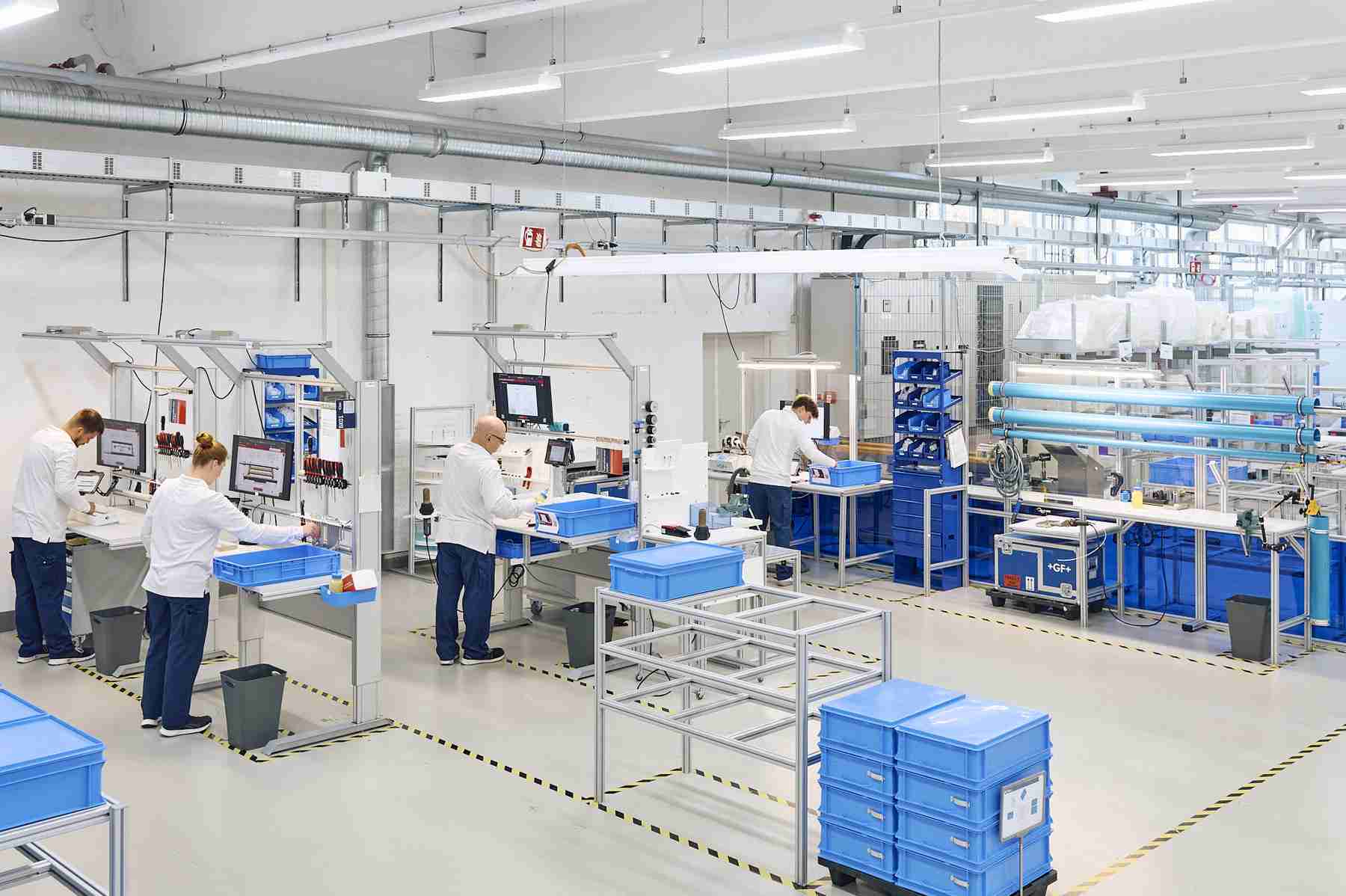
Risks, obstacles and challenges
What stands in the way of outstanding process efficiency?
Missing or outdated process documentation is one of the main challenges. There are often undocumented workflows or informal shadow processes that are not transparent. Gaps in communication lead to teams interpreting tasks differently.
Other obstacles include excessive administrative effort, a lack of training, insufficiently trained employees and inconsistent terminology. A lack of standardization makes it difficult to evaluate processes and compare them. Another risk lies in incorrect documentation, which encourages wrong decisions and causes unnecessary costs.
Book your personal demo and experience the benefits directly!
Tips: Five steps for getting started with process efficiency
The best way to achieve greater process efficiency is with clear, well-structured steps. The following five steps form a practicable basis for making processes transparent and implementing initial improvements in a targeted manner.
Capture
Record all existing processes in a structured manner. Collect data, visualize all workflows and create transparency.
Process analysis
Analyze process flows in terms of time, resources, output and metrics. Identify the causes of inefficiencies.
Targets and KPIs
Define clear goals, KPIs and desired results. Make transparent what processes should achieve.
Process optimization
Develop measures for improvement, eliminate bottlenecks and optimize coordination between teams and systems.
Implementation and tracking
Implement measures, monitor their impact and use suitable tools for continuous evaluation.
Box: What are KPIs?
KPIs are measurable key performance indicators that show how well a process, a team or an entire company is achieving its defined goals. They help to objectively evaluate progress, identify deviations at an early stage and derive targeted measures.
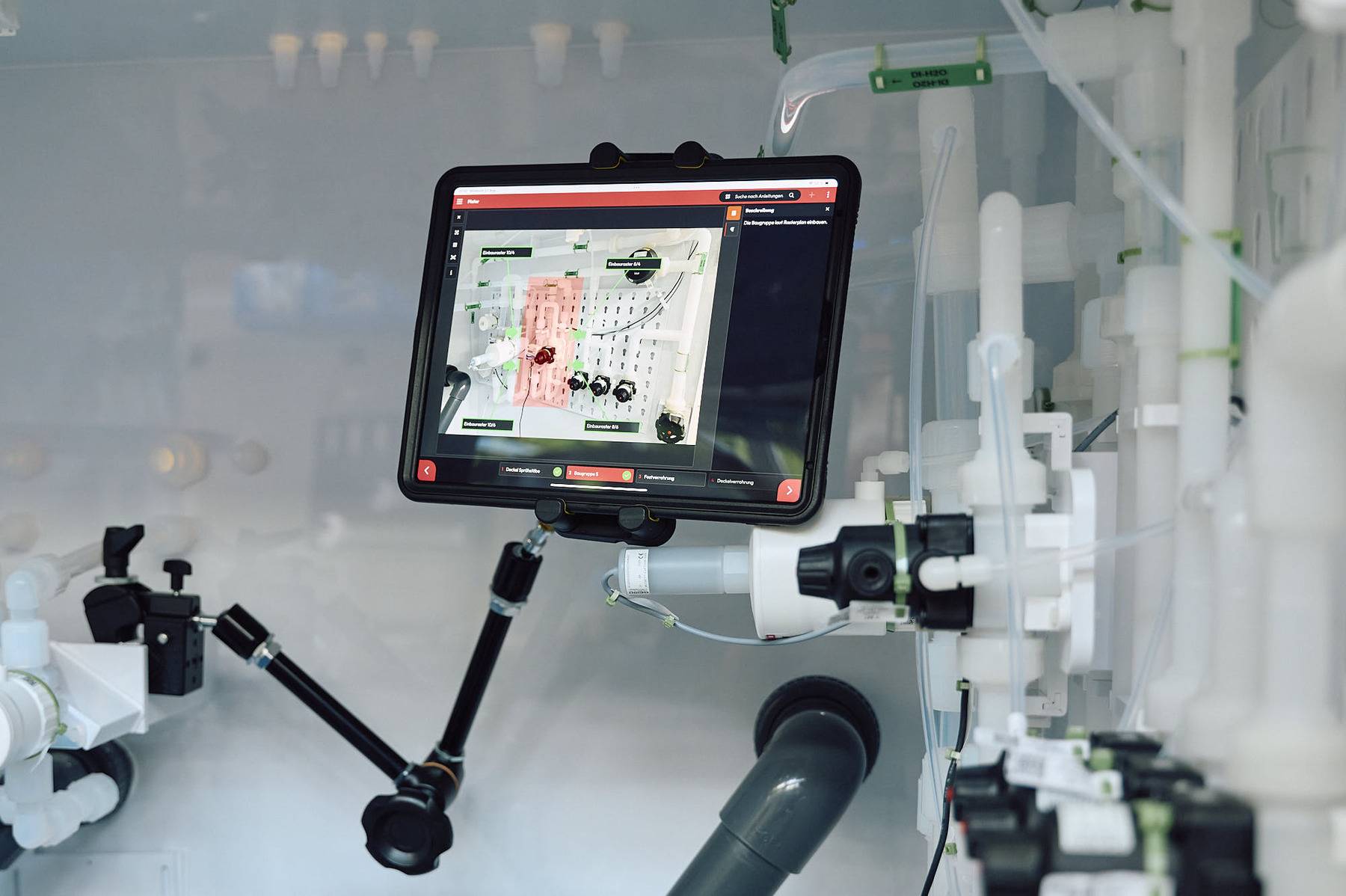
Tools for improved efficiency: digitalization and process optimization go hand in hand
The paper chase is over, the implementation of digital approaches is the measure of all things in the industry. Today, digital tools are a central component of modern process optimization. They improve transparency, enable the collection of real-time data and ensure structured process design.
Production in particular benefits from the integration of digital solutions, as this is where complex work processes, high quality expectations and variable requirements come together.
The tepcon “instructor” combines digital work instructions, clear standards and intelligent content. This results in precise specifications, fewer errors, standardized processes and increased process performance.
This provides your company with a tool that makes existing process knowledge visible in a simple and easily accessible way and thus reliably supports your employees.
Book your personal demo and experience the benefits directly!
Exploit digital potential for process efficiency now
Digital instructions – work instructions, test instructions, checklists and forms – expand your options.
One of the most effective methods for eliminating inefficiencies is the combination of automation and digital transformation. Automation simplifies repetitive tasks, reduces errors and creates consistency. Digital transformation improves workflows, decisions and productivity through modern technologies such as AI, cloud systems or integrated software.
Regardless of whether you work in mechanical and plant engineering, production, assembly, construction, the automotive industry or the service sector – we bring experience, industry knowledge and the right strategy to the table.
Our aim with the tepcon “instructor” is to provide you with a tool that sustainably improves process efficiency and creates competitive advantages. Since 2002, we have been setting standards in the integration of digital systems and supporting companies on their way to clear, efficient processes.
Start your test phase or contact us directly – we will support you in every step of the optimization process.